
Gov't to blow GHS12.9m annually on new Deputy Ambassadors
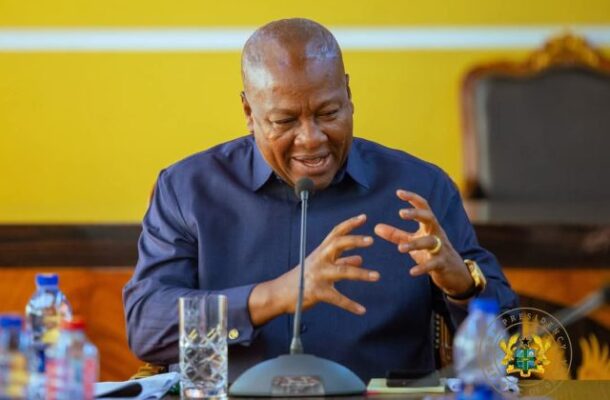
The debate over the cost of governance under President John Dramani Mahama’s administration has taken a new turn following the release of official documents from the Ministry of Foreign Affairs showing the salaries, allowances and benefits paid to the Deputy Ambassadors and Deputy High Commissioners serving abroad.
The disclosure comes after Member of Parliament for Ofoase-Ayirebi and Ranking Member on Parliament’s Economy and Development Committee, Kojo Oppong Nkrumah, pursued a Right to Information (RTI) request seeking details of the emoluments and benefits enjoyed by Ghanaian diplomats posted to foreign missions.
For months, the Mahama administration has defended its commitment to reducing government expenditure, frequently citing its decision to appoint fewer ministers than previous governments.
Government communicators have consistently pointed to the smaller ministerial size as evidence of efforts to reduce public spending and ease the burden on taxpayers.
However, according to Kojo Oppong Nkrumah, a different picture is emerging.
He argued that while some senior party figures may not have been appointed ministers, many have instead been assigned to newly created deputy ambassadorial and deputy high commissioner positions abroad, effectively shifting the cost of political appointments from one section of the national budget to another.
The controversy intensified after the Ministry of Foreign Affairs responded to his RTI request only after months of delay and following threats of legal action.
The request, filed in January 2026, sought information on the salaries, allowances and benefits paid to Ambassadors, High Commissioners, Deputy Ambassadors and Deputy High Commissioners.
The Ministry eventually responded in May 2026 under Case No. RTIC/AFR/25/2026 after intervention by the Right to Information Commission.
The official documents reveal that every Deputy Ambassador or Deputy High Commissioner receives a standardized monthly basic salary of US$3,639.58, regardless of posting location.
In addition, each officer receives a monthly clothing allowance of US$150 to support formal diplomatic engagements and official state functions.
Combined, these two payments amount to approximately US$45,475 annually for each deputy envoy. Using prevailing exchange rates, the figure translates to roughly GH¢537,000 per officer each year before any additional benefits are considered.
The Ministry’s response further confirms that deputy heads of mission are eligible for several additional cash allowances.
These include child allowances averaging US$200 per month for up to three dependent children under the age of 18, education grants averaging US$1,750 every quarter to support schooling abroad, and warm clothing allowances of US$83.33 per month for officers posted to countries with colder climates.
Beyond these direct cash payments, the Ministry disclosed a range of state-funded benefits but did not assign specific monetary values to them.
These include foreign service allowances that vary by country, official furnished residences provided by government, chauffeured official vehicles with fuel and maintenance covered by the state, comprehensive medical coverage for officers and their eligible dependents, and domestic staff support.
The documents also indicate that government bears the cost of official travel undertaken in the course of diplomatic duties and incurs relocation expenses when officers are posted abroad.
Although officers contribute five percent of their basic salary as rent deductions and another five percent toward maintenance and property-related damages, the state remains responsible for the bulk of accommodation and operational expenses.
Based on the figures supplied by the Ministry, Mr. Oppong Nkrumah estimates that the latest batch of 18 Deputy Heads of Mission appointed by the Mahama administration could cost taxpayers between GH¢9.7 million and GH¢25.6 million annually.
According to his calculations, the minimum annual cost of the appointments is approximately GH¢9.7 million, representing only the basic salaries and clothing allowances. When child allowances, education grants and warm clothing allowances are included, the annual bill rises to approximately GH¢12.9 million.
Using what he describes as a conservative estimate for housing, foreign service allowances, vehicles, medical coverage and domestic staff, the total annual cost could reach GH¢25.6 million.
He argues that in several foreign capitals, the rent for diplomatic residences alone could approach or exceed the assumed monthly estimate used in his calculations.
The issue has reignited debate about government expenditure and political appointments. Critics argue that while the administration has highlighted reductions in ministerial appointments as evidence of fiscal discipline, the growing number of diplomatic appointments abroad raises questions about whether overall government costs have truly declined.
The matter also comes amid broader scrutiny of public spending. Earlier in the year, concerns were raised about rising expenditure on government machinery, despite assurances that the administration was pursuing a leaner and more efficient governance structure.
The delayed response to the RTI request has further drawn attention to issues of transparency and accountability.
Mr. Oppong Nkrumah contends that a straightforward request concerning public expenditure should not have required months of correspondence, intervention by the RTI Commission, and threats of legal action before information was released.

