
National Clean-Up Exercise: Oda MP commits GH¢3,000 to each Assembly Member to boost sanitation drive
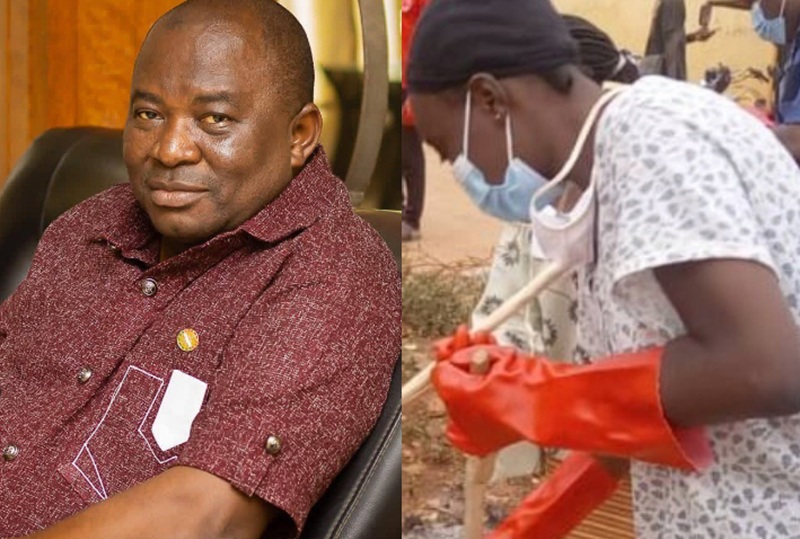
The Member of Parliament (MP) for the Akim Oda constituency, Alexander Akwasi Acquah, has disbursed GH¢3,000 to each assembly member within his constituency to directly fund and support local sanitation efforts.
This targeted financial commitment coincides with Ghana's two-day National General Cleaning Exercise, which was strategically instituted following recent flooding incidents to clear choked drains, clear waterways, and enhance community-wide public health.
This funding forms a core part of the MP's comprehensive strategy to upgrade local waste management systems, elevate public hygiene standards, and drastically reduce flood risks across all communities within the Birim Central Municipality.
By targeting vulnerable zones, the initiative directly addresses environmental hazards to build more climate-resilient neighborhoods.
This targeted funding empowers each Assembly Member to design and execute localized sanitation drives that match the unique environmental needs of their specific Electoral Areas. Local leaders will directly manage critical, neighborhood-level interventions to safeguard their communities before the upcoming national clean-up.
This financial intervention launches as Ghana prepares for the mandatory National General Cleaning Days this coming Friday, July 10, and Saturday, July 11, 2026. The urgent nationwide exercise was ordered by the government to clean up communities and restore drainage systems following the recent devastating floods that submerged several regions across the country.
The nationwide cleanup is directed by the government's Post-Flood Mitigation Committee under the official theme, “Our Actions, Our Future: Cleaning Ghana after the floods.” This campaign focuses on mobilizing citizens across all regions to immediately restore public hygiene standards while establishing long-term preventative measures against future flood disasters.
The government has classified this exercise as a critical national intervention, issuing an urgent call to action for all citizens to participate fully. Every Ghanaian is expected to join the cleanup to improve public sanitation, clear blocked infrastructure, and protect their local communities from future flood disasters.
The presidency has mandated that all Metropolitan, Municipal, and District Chief Executives (MMDCEs), CEOs of state institutions, and government appointees directly lead clean-up activities in their respective jurisdictions. Officials are expected to physically join local efforts, ensuring accountability and encouraging civic participation in waste management. You can read more about this directive in official government communications.
The Speaker of Parliament, Alban Sumana Kingsford Bagbin, has thrown the legislature’s full weight behind the campaign, tasking Members of Parliament with leading local mobilization drives. He directed lawmakers to actively unite local residents, traditional leaders, youth groups, civil society organizations, and local assemblies to ensure the cleanup succeeds.
Speaker Bagbin stated that legislators must lead by example in promoting environmental sanitation to reduce flood risks in their constituencies. By participating directly in cleanup efforts, MPs are expected to foster civic responsibility and proactively address local sanitation challenges.
Speaker Bagbin disclosed that Parliament's leadership is arranging to excuse MPs so they can return home. This setup allows lawmakers from flood-hit regions to directly coordinate and participate in the cleanup.
In light of these national directives, Hon. Acquah’s decision to provide direct financial support to Assembly Members is expected to significantly boost grassroots participation. By placing resources directly into the hands of local leaders, the initiative ensures that clean-up activities are driven at the community level to address immediate local needs.
Residents across the Birim Central Municipality are expected to join assembly members, traditional leaders, youth groups, and other stakeholders during the two-day exercise. This combined community effort aims to create a cleaner environment, improve public health, and build resilient communities capable of withstanding future flooding.

