
Fiber cuts affecting our network connectivity - Telecel calls on road contractors for engagement
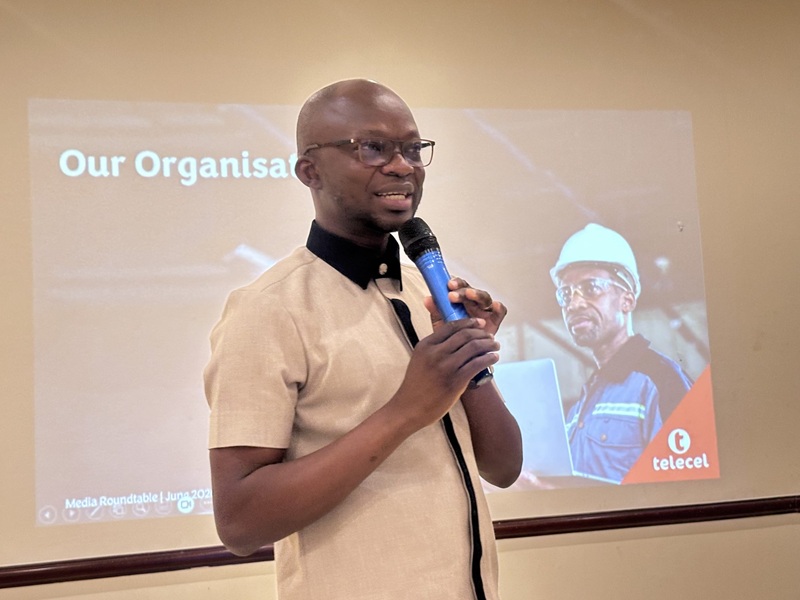
Telecel Ghana has raised concerns over the growing destruction of fibre-optic infrastructure across the country, warning that frequent fibre cuts are significantly affecting network connectivity and service delivery to customers.
The telecommunications giant made the call during a media engagement held at the Lancaster Hotel in Kumasi, where company executives outlined the impact of fibre cuts on telecommunications services and appealed for closer collaboration between telecom operators and road contractors undertaking construction projects.
Speaking at the engagement, the Director of External Affairs of Telecel Ghana, Komla Buami, said the persistent damage to fibre infrastructure has become one of the biggest threats to reliable telecommunications services in Ghana.
According to him, many of the disruptions experienced by customers are often linked to fibre cuts caused by excavation and road construction activities carried out without adequate engagement with telecommunications companies.
“Fibre cuts are affecting our network connectivity and the quality of service we provide to customers. Every time a fibre line is damaged, thousands of customers can experience disruptions in voice, data and mobile money services. This is why we are calling for greater engagement between road contractors and telecom operators before construction works commence,” Mr. Buami stated.
He noted that the challenge has become increasingly costly for the telecommunications industry, citing industry figures which indicate that telecom operators have spent about US$69.3 million repairing damaged fibre-optic cables between 2021 and 2025.
Mr. Buami explained that fibre infrastructure forms the backbone of telecommunications services and that damage to such infrastructure does not only affect network operators but also businesses, financial institutions, emergency services and millions of subscribers who rely on uninterrupted connectivity.
“Telecommunications infrastructure is critical national infrastructure. When fibre is cut, the impact extends far beyond the telecom companies. Businesses are affected, digital transactions are disrupted and customers are inconvenienced. Preventing these incidents should therefore be a shared responsibility,” he stressed.
He further revealed that Telecel Ghana remains one of the most affected operators because of its extensive underground fibre network inherited from the former Ghana Telecom infrastructure.
According to available industry data, Ghana recorded 33,878 fibre cuts between 2021 and 2025, with repair costs running into tens of millions of dollars. The data further indicates that fibre cuts occur daily across the country, creating substantial operational and financial burdens for telecommunications operators.
Mr. Buami therefore urged contractors, developers and utility service providers to engage telecommunications companies before embarking on excavation works.
“We are not against development projects. Roads, drainage systems and other infrastructure projects are important for national development. However, there must be proper coordination and communication. A simple engagement before excavation can save millions of dollars in repair costs and prevent service interruptions for customers,” he said.
He also welcomed ongoing efforts by the Ghana Chamber of Telecommunications to seek stronger legal protections for fibre infrastructure and tougher sanctions against individuals and organisations responsible for damaging telecommunications assets.
The Telecel Director emphasized that preventing fibre cuts would improve service reliability, reduce operational costs and support Ghana’s broader digital transformation agenda.
The media engagement was attended by senior executives of Telecel Ghana, including Peter Kotoko, Enterprise Business Head of Telecel Ghana, and Kwaku Asiedu, Executive Head of Telecel Ghana for the Ashanti Region, who joined Mr. Buami in interacting with journalists on issues affecting the telecommunications industry.
The executives reiterated Telecel Ghana’s commitment to investing in network expansion and service quality while calling on all stakeholders to support efforts aimed at protecting the country’s telecommunications infrastructure.

