
BoG faces tough balancing act as MPC opens 130th meeting
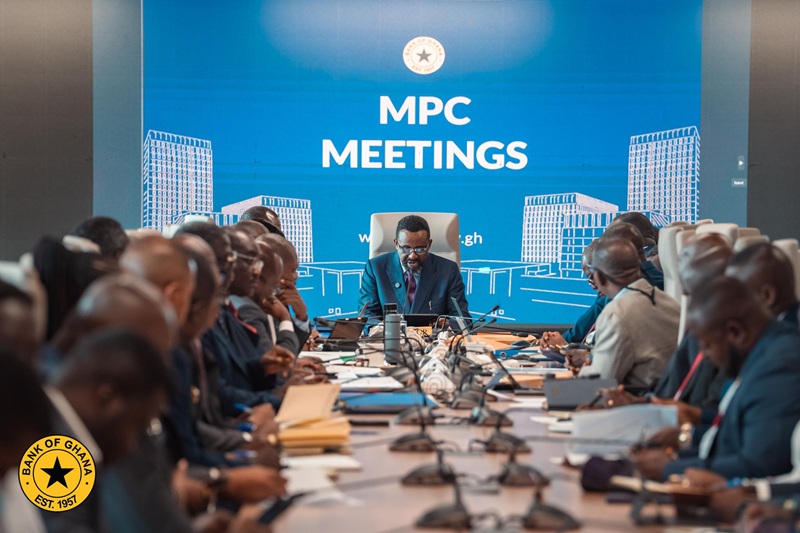
The Bank of Ghana has begun deliberations at its 130th Monetary Policy Committee (MPC) meeting amid growing concerns over sustaining the economic recovery while guarding against emerging inflation and financial stability risks.
Opening the meeting on Monday, Governor Dr. Johnson Pandit Asiama acknowledged that Ghana’s macroeconomic conditions have improved significantly, but warned that the next phase of policy management would require difficult trade-offs to preserve stability and support growth.
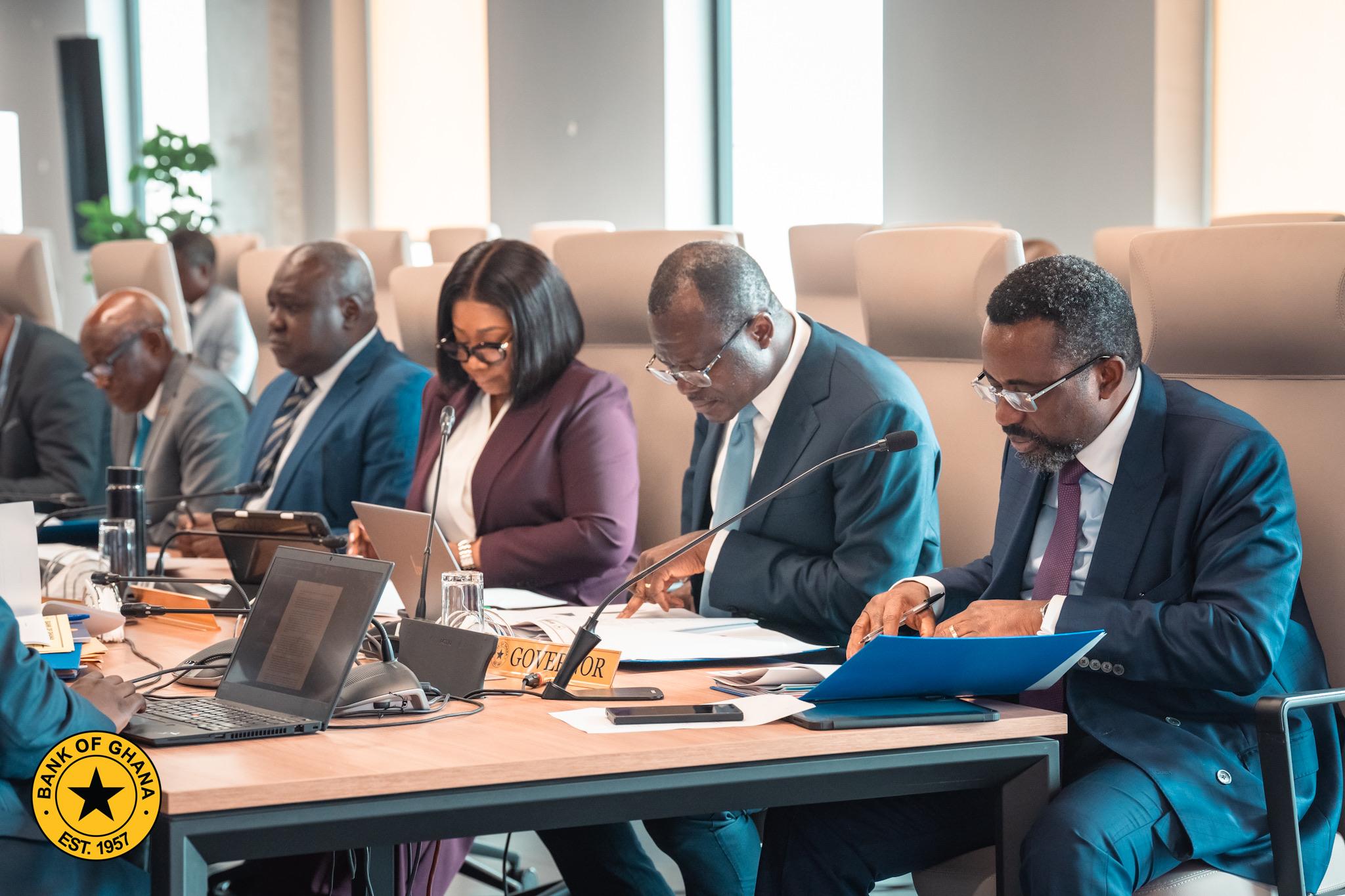
The meeting comes at a time when the benchmark Monetary Policy Rate stands at 14.0 percent, following a series of aggressive cuts after inflation dropped sharply from crisis-era highs.
Focus shifts from stabilisation to credit expansion
A key issue before the Committee, according to Dr. Asiama, is how to realign interest rates across the economy in a low-inflation environment while ensuring that inflation expectations remain anchored.
“The Monetary Policy Committee has several substantive issues to address at this meeting,” he said. “These issues range from realigning the entire interest rate structure in the economy as inflation remains low at 3.4 percent to addressing policies to ensure inflation expectations do not become dislodged.”
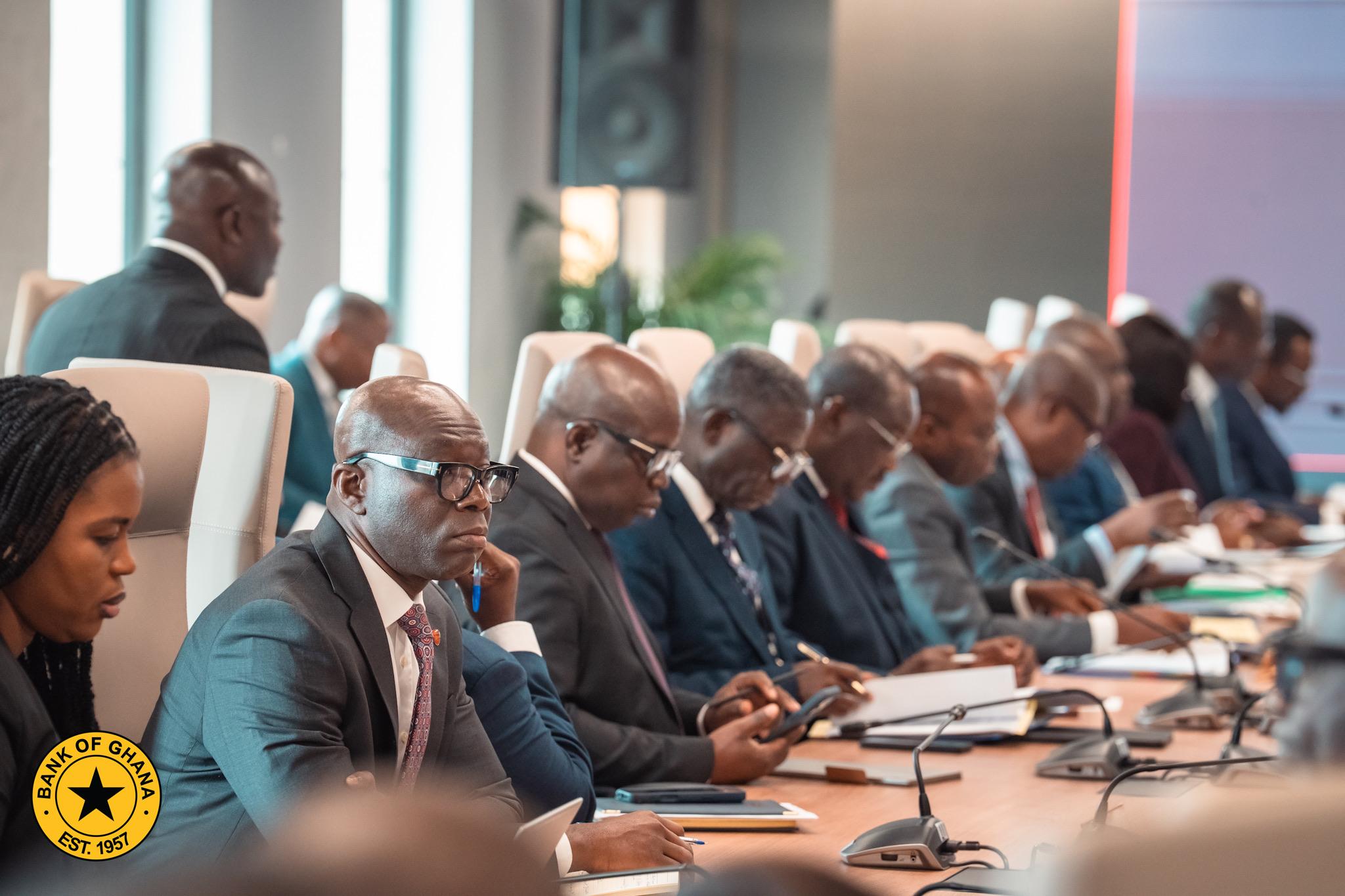
The Governor stressed that the central bank’s attention is increasingly turning toward credit expansion and the ability of banks to support private sector growth.
“Looking forward, the economy will need a strong banking sector, and steps will be needed to ensure that the financial stability concerns are protected and the banking system is made to deliver on credit expansion,” he stated.
The comments reflect a broader policy transition at the Bank of Ghana—from emergency stabilisation measures toward supporting investment, lending, and productive economic activity.
Middle East tensions and energy risks dominate outlook
Despite the gains made in inflation control and exchange rate stability, Dr. Asiama warned that external and domestic shocks continue to threaten the recovery.
Among the most pressing concerns, he identified the prolonged conflict in the Middle East and its impact on global commodity and energy prices.
He cautioned that sustained increases in oil and energy prices, combined with domestic energy supply disruptions, could create a dangerous “dual-channel inflation expectations problem.”
“The convergence of domestic energy supply disruptions and external cost-push pressures risks, if not addressed, could dislodge inflation expectations before they are firmly anchored,” he warned.
This signals growing concern within the central bank that imported inflation could reverse recent gains if geopolitical tensions persist.
Reserve, fiscal and power sector vulnerabilities
Beyond inflationary pressures, the Governor outlined broader vulnerabilities facing the economy, including current account and reserve risks, fiscal pressures linked to weaker external revenues, and persistent instability in Ghana’s power sector.
“These risks will be central to the discussions this week,” he noted.
The remarks come amid wider debates over how Ghana can sustain macroeconomic gains achieved in 2025, when inflation fell sharply, the cedi appreciated significantly, and reserves strengthened following aggressive monetary tightening and reserve accumulation measures.
A delicate policy moment
The 130th MPC meeting is widely expected to test the Bank of Ghana’s balancing strategy.
On one hand, inflation remains historically low, creating room for lower interest rates and stronger credit growth. On the other hand, external shocks and energy-related pressures threaten to destabilise inflation expectations if policy easing becomes too aggressive.
For Dr. Asiama and the MPC, the challenge appears increasingly clear: how to move Ghana from stabilisation into sustainable growth without reopening the vulnerabilities that triggered the recent economic crisis.