
Akwasi Acquah Warns of Surge in Political Monetization Following Supreme Court Ruling
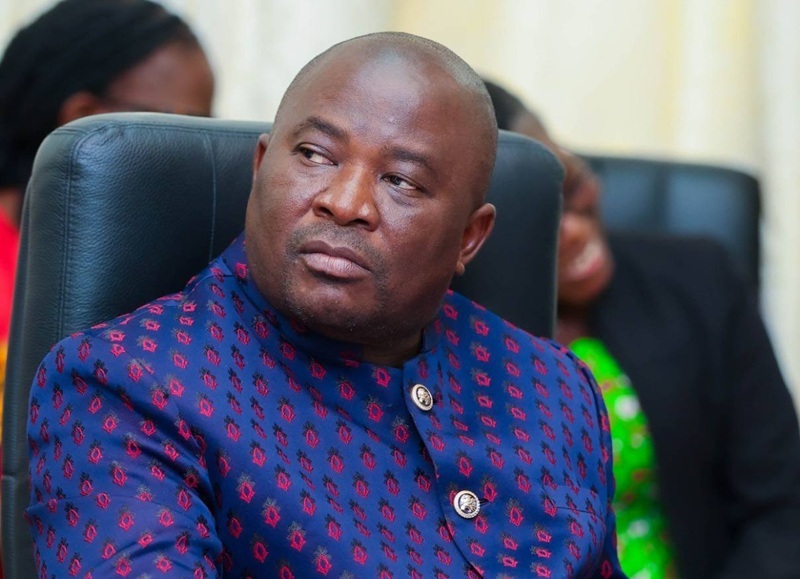
Akim Oda Member of Parliament (MP), Alexander Akwasi Acquah, has sounded a note of caution regarding the potential fallout of opening political parties' internal elections to all card-bearing members [in good standing].
Speaking on Tuesday, September 15, he warned that the move could inadvertently worsen the pervasive issue of vote buying and monetization within Ghanaian politics.
He made the remarks during the CSOs Parliamentary Engagement on Collective Anti-Corruption Advocacy, a forum organized by Transparency International Ghana. The event brought together lawmakers, civil society organisations, and anti-corruption crusaders to deliberate on reforms aimed at sanitising the country’s electoral landscape.
The debate surrounding internal party reforms has intensified following a landmark decision by the Supreme Court. The ruling sought to democratize internal voting processes by expanding the voter base, moving away from the traditional delegate system which has long been criticized for being susceptible to bribery.
However, Akwasi Acquah expressed strong skepticism about the efficacy of this judicial remedy. While the intent may be to dilute the influence of money by increasing the number of voters, the Akim Oda lawmaker argued that it fails to tackle the root causes of political corruption.
"Opening up the register to every member in good standing sounds democratic on paper, but in reality, it may only expand the scale of monetization. Instead of buying a few hundred delegates, aspirants may now feel pressured to finance a much larger, retail-scale vote-buying operation," Akwasi Acquah noted during the engagement.
Political analysts and civil society groups have frequently flagged the delegate system as a primary driver of corruption, where wealthy aspirants literally buy their way into power by offering cash, vehicles, and consumer goods to a select pool of electors.
Akwasi Acquah’s critique highlights a structural paradox: expanding the voter pool to thousands of ordinary party members does not eliminate the demand for financial incentives from a vulnerable electorate, nor does it curb the supply of cash from desperate politicians. Instead, it threatens to turn internal party primaries into incredibly expensive, national-scale campaigns that only the wealthiest candidates can afford.
The MP’s warning serves as a reality check for anti-corruption advocates who viewed the Supreme Court's ruling as a silver bullet. The consensus emerging from the Transparency International Ghana engagement is that judicial interventions must be paired with:
- Strict campaign finance regulations to monitor the flow of cash.
- Enhanced enforcement of laws penalising electoral bribery.
- Deep institutional reforms within the political parties themselves to verify membership registers and lower the cost of seeking public office.
As Ghana approaches its next major electoral cycle, Akwasi Acquah's warnings underscore a critical challenge: without a comprehensive overhaul of how politics is funded, expanding democratic participation might just mean expanding the price tag of Ghanaian democracy.

